What Dallas Homeowners Should Check After a Storm Damages a Tree
Start with a careful look at the tree and the scene around it
Storm winds can twist trees in ways they were never meant to bend. Even a tree that looks mostly intact may have hidden cracks or loose bark that signal a serious problem. Before you step outside, take a moment to scan the tree from a window. Look for anything that seems off, a lean that wasn’t there before, branches that now hang at odd angles, or a trunk that appears split near the base. This first look helps you decide whether it’s safe to go near the tree at all.
Once you are outside, keep your distance and keep looking up. High winds often leave branches wedged in the crown of the tree, and those can fall without warning. Also check the ground for fresh cracks or raised soil around the root flare. A tree that has shifted in the ground is unstable and may fall completely. The goal here is to gather information, not to fix anything yet. Knowing what you are dealing with makes every later decision safer.
Check for a split trunk before anything else
A split trunk is one of the most dangerous conditions after a storm. The trunk may have a vertical crack that runs from the crown downward, or the tree may have split into two halves at a fork. Either way, the tree’s structural integrity is compromised. A split trunk cannot be repaired. The tree is likely to fail, and the timing of that failure is unpredictable. If you see a split trunk, keep everyone and everything away from the tree. This is a job for a professional who can safely bring the tree down in sections.
Look for hanging limbs that could fall at any moment
Hanging limbs are sometimes called widowmakers for a reason. A branch that is broken but still attached can hang in the tree for days or weeks before it drops. Wind, rain, or even a bird landing on it can be enough to send it down. Scan the tree slowly, paying attention to branches that are caught in other branches or that have torn bark hanging from the break point. If you see a hanging limb, do not stand under it. Do not try to pull it down with a rope or a pole. Mark the area with a cone or a piece of tape so that others stay clear, and call a tree service to handle the removal.
Assess roof impact and structural damage to your home
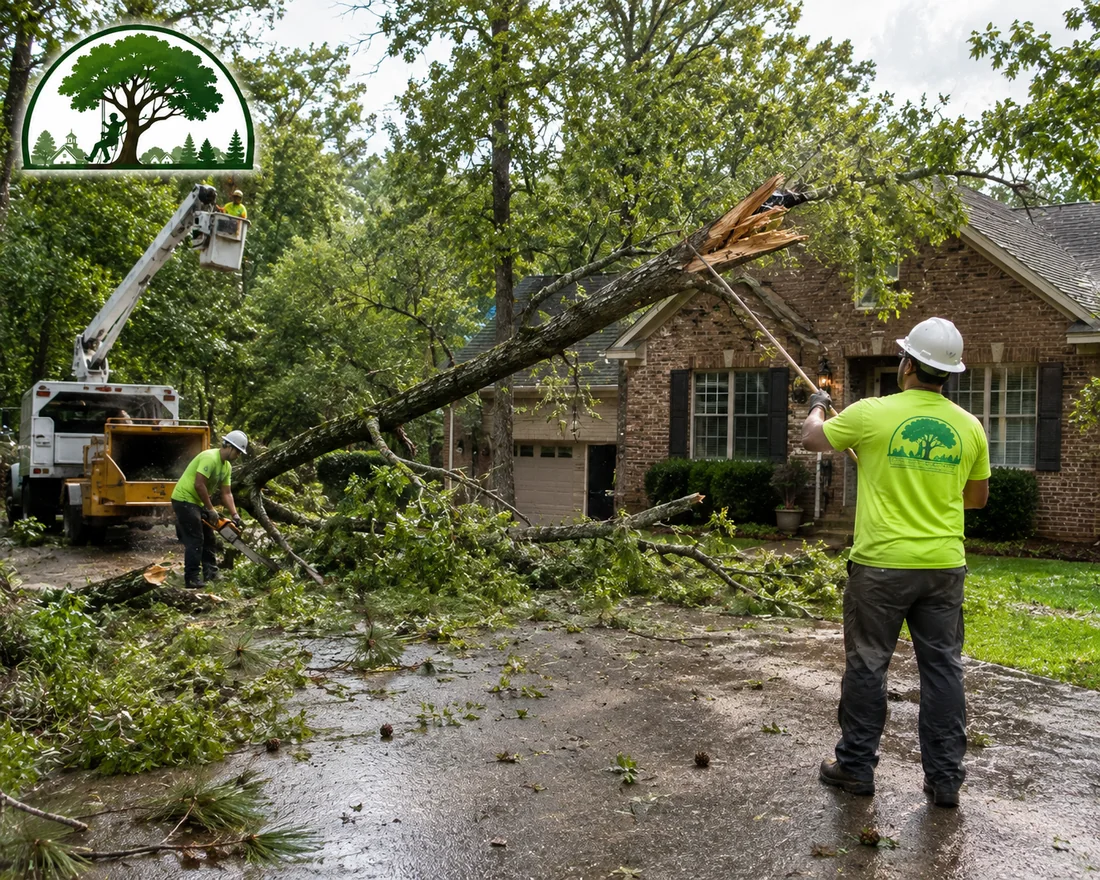
Roof impact is common when a large limb or a whole tree falls during a storm. Even a glancing blow can dislodge shingles, crack the decking underneath, or damage the flashing around a chimney or a vent. Water can enter through these gaps and cause mold, rot, and interior damage before you notice the source. If a tree or a limb has hit your roof, inspect the area from the ground first. Look for displaced shingles, dents in gutters, or a visible gap where the tree made contact. Inside your home, check the attic for daylight coming through the roof or for dark spots on the wood that suggest moisture. Any roof damage should be addressed quickly to prevent secondary problems. A professional can make temporary repairs to seal the roof until a full repair is done.
Clear a blocked driveway only if it is safe to do so
A blocked driveway is frustrating, especially when you need to get the car out or allow emergency vehicles to reach your home. But rushing to clear it can put you in danger. If the tree or limb that blocks the driveway is tangled with other branches or is under tension, cutting it can release that tension suddenly and cause the material to spring or roll toward you. Before you start, look for signs of tension: a branch that is bent and resting on another branch, a trunk that is wedged against a fence or a wall, or a limb that is caught under the weight of the tree. If you see any of these, leave the clearing to a professional with the right equipment. If the blockage looks straightforward and you can safely cut small branches by hand, wear gloves and eye protection, and keep a clear escape path behind you.
Watch for power line hazards around fallen trees
Power line hazard is the most serious risk after a storm. A tree or a limb that has brought down a power line may still be live, and that electricity can travel through the tree itself. Even if the wire is on the ground, it can energize the surrounding soil and anything touching it. Never approach a fallen tree that is near a power line. Never touch the wire, and never try to move the tree yourself. Call the utility company immediately and report the location. Keep everyone on your property away from the area until a crew arrives to de-energize the line and clear the hazard. If the wire is sparking or smoking, move farther away and call 911.
Evaluate the tree for site stabilization needs
Site stabilization is the process of making sure the tree and the ground around it are safe for people and for the property. After a storm, the root system may be partially exposed, or the soil may be so soft that the tree could tip over. If the tree is still standing but leaning, check the soil on the uphill side of the lean. Fresh cracks or raised dirt mean the roots have started to pull free. A tree in this condition may need to be removed before it falls on its own. If the tree is down, look at the root ball. A large root ball that has torn out of the ground leaves a deep hole that can be a tripping hazard for days or weeks. Fill the hole with soil or mark it clearly until the tree can be removed and the site graded. Stabilization also means removing debris that could become a hazard in another storm. Loose branches, broken trunks, and scattered wood should be gathered and stacked in a safe location away from structures and walkways.
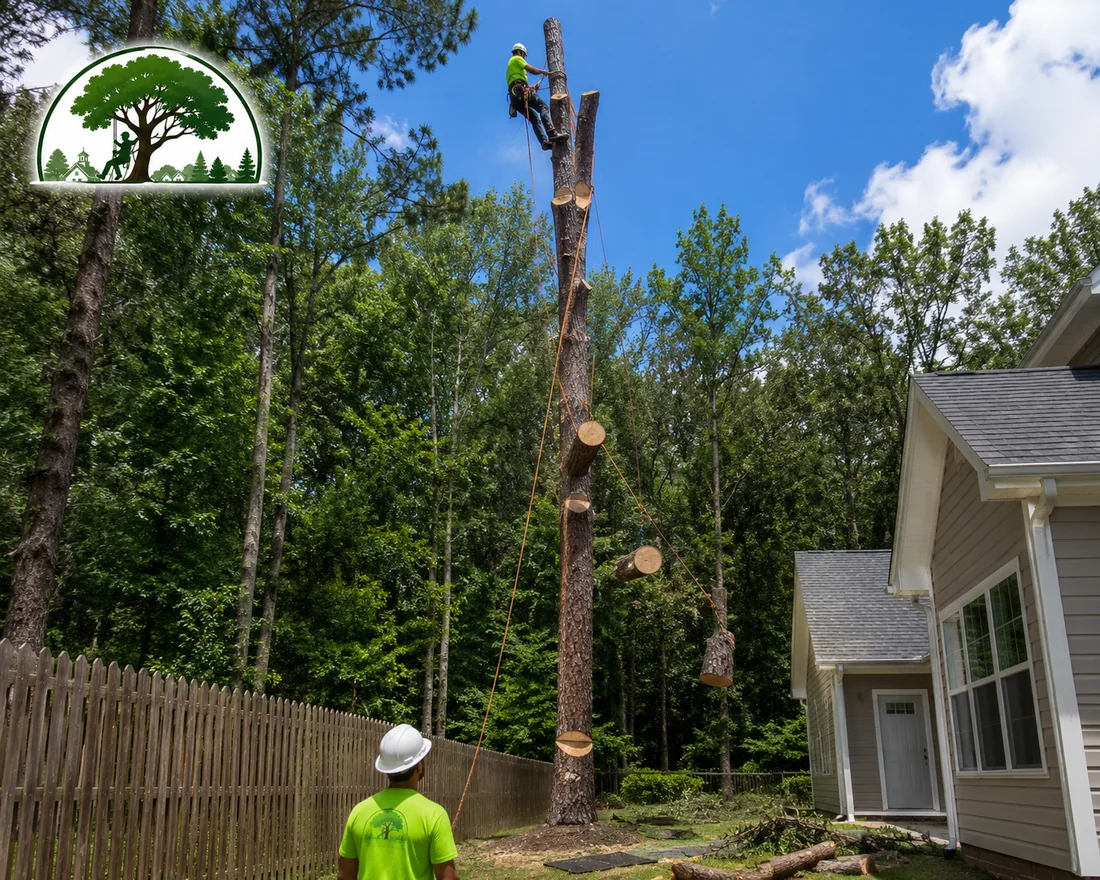
Once you have assessed the situation and identified the immediate dangers, the next step is to decide what you can handle on your own and what needs professional help. Simple tasks like picking up small branches or sweeping debris from the driveway are fine if it is safe. But any work that involves cutting large limbs, working near power lines, or dealing with a split trunk should be left to a qualified tree service. Professionals have the training, the equipment, and the insurance to handle these jobs without putting your home or your family at risk.
For Dallas homeowners, having a reliable resource for emergency tree work is important. A local company like treeserviceindallas.com can respond quickly after a storm, assess the damage, and perform fallen tree removal safely. They understand the types of trees common in the area and the kinds of damage that storms typically cause. Whether you need a hanging limb removed, a blocked driveway cleared, or a whole tree taken down, a professional crew can do the work efficiently and with minimal disruption to your property.
After the immediate hazards are addressed, take time to review your insurance policy. Many homeowner policies cover tree removal if the tree has damaged a structure or blocked a driveway. Keep receipts and photographs of the damage for your claim. Also consider scheduling a preventive inspection for other trees on your property. A certified arborist can identify weak branches, signs of decay, or poor structure that could make a tree more likely to fail in the next storm. Pruning, cabling, or removing a high-risk tree before the next storm can save you money and stress down the road.
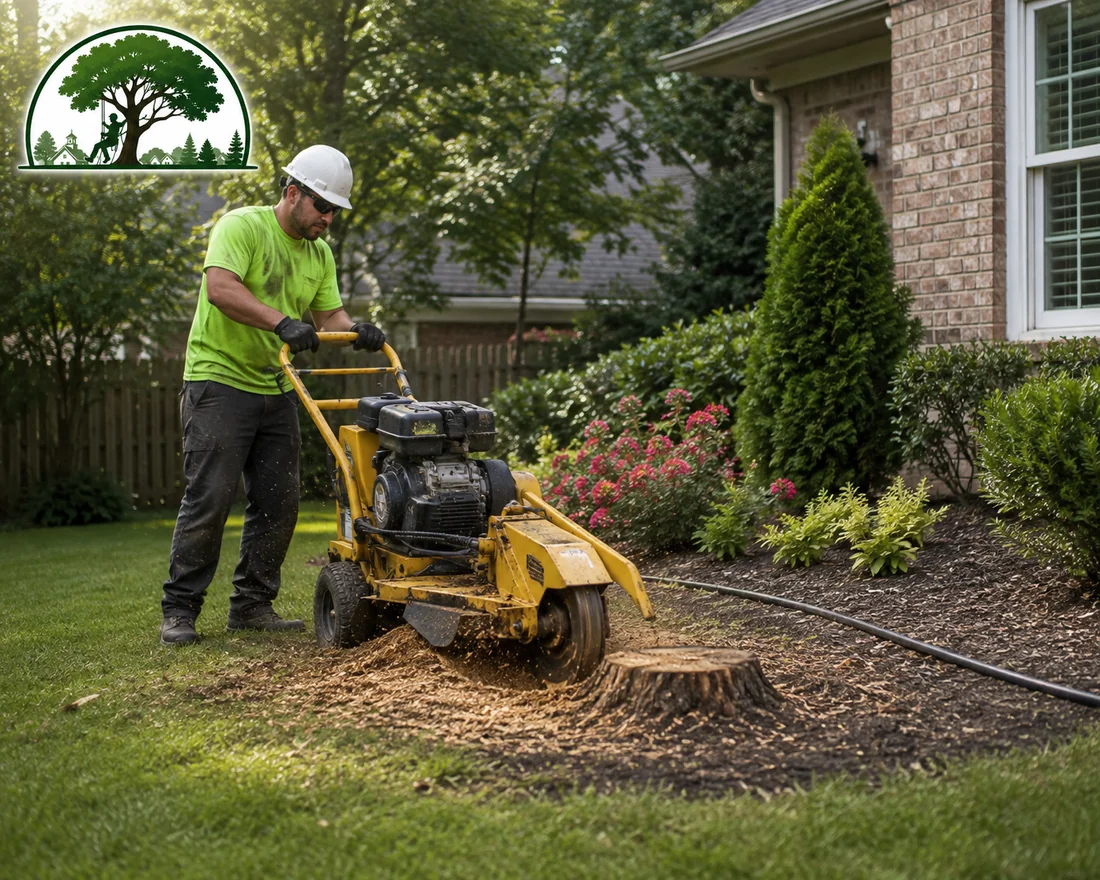
Finally, remember that storm recovery is a process. It may take days or weeks for your property to look normal again. Focus on safety first, then on repairs and cleanup. Do not rush the work, and do not take risks that could turn a bad situation into a worse one. By following a methodical checklist and calling in professionals when needed, you can get your property back to order without adding injury or additional damage to the list of storm losses.